Author: kmenter

  • What Makes a Place Feel Cool?

    What Makes a Place Feel Cool?

    You know it almost immediately.

    You walk into a restaurant, bar, coffee shop, bookstore, or hotel and think: Oh. This place is cool.

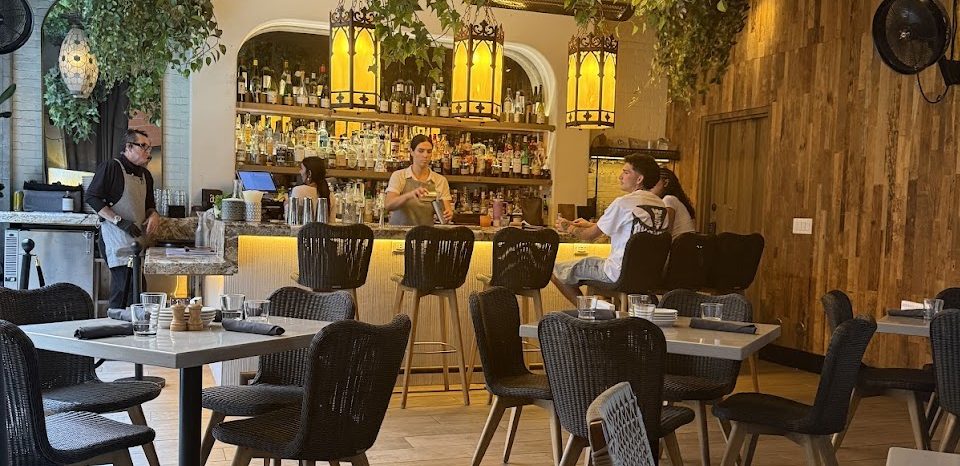
    The lighting is great. The music is perfect. Everyone sitting at the bar somehow has their own distinct personal style. Whatever it is, you want to stay.

    There isn’t really a formula for cool. If there were, every new restaurant with dim lighting, tiny lamps, vintage furniture, and a martini on the menu would feel exactly the same.

    So what actually makes a place feel cool?

    It Has a Point of View

    The coolest places know exactly what they are.

    Every coffee shop doesn’t need to become a coworking space, natural wine bar, vintage store, and listening lounge all at once.

    There is something appealing about a place that has made decisions.

    Maybe the menu is unusually small. Maybe the walls are covered in decades of photographs. Maybe they only play jazz. Maybe the restaurant hasn’t changed its sign since 1987.

    Whatever the choices are, they feel intentional.

    You get the sense that someone behind the place has taste, preferences, and perhaps even a few strong opinions.

    Not Everything Matches

    Interesting places usually have a little friction.

    The chairs don’t quite match. There’s an old sign that doesn’t fit the new branding. The bathroom is covered in stickers. A strange painting has been hanging behind the bar for so long that nobody remembers where it came from.

    It feels collected rather than decorated.

    People Actually Use It

    A room can be beautifully designed and still feel completely dead.

    Cool places tend to have evidence of life.

    Someone is reading at the bar. Two friends have clearly been sitting in the corner for three hours. The bartender knows the person who just walked through the door.

    People aren’t simply passing through the space. They’re participating in it.

    It Has Its Own Little Rituals

    Great places develop lore.

    There’s the thing you have to order. The table everyone wants. Tuesday trivia. Sunday jazz. The owner who sits at the end of the bar.

    None of these things can really be manufactured. They happen because people return often enough for traditions to form.

    Eventually, the place develops its own tiny culture. And being let into that culture feels good.

    It’s Not Completely Optimized

    Modern businesses are very good at removing friction.

    Order from your phone. Join the waitlist online. Scan the QR code. Reserve your table. Customize everything. Get in. Get out.

    Convenience is great. It’s also not particularly memorable.

    Some of the places we become most attached to have quirks. Maybe you have to wait for a table. Maybe there’s one thing on the menu that always sells out. Maybe the building is old and the layout makes absolutely no sense.

    There is obviously a limit here. Terrible service isn’t charming, and nobody has ever developed a sentimental attachment to a broken air conditioner in August.

    Still, a little imperfection can make a place feel human.

    You Feel Like You Found It

    This might be one of the biggest parts of coolness.

    Discovery.

    You turn down a street you’ve never walked before and find a tiny bar. A friend tells you about a restaurant you somehow haven’t heard of. You wander into a bookstore because you had 20 minutes to kill.

    Suddenly, it feels like your place.

    Never mind that it has 40,000 Instagram followers and a two-hour wait on Saturdays.

    Discovery doesn’t necessarily mean something is secret. It means your relationship with it feels personal.

    There’s a big difference between knowing somewhere is popular and feeling like you’ve found somewhere you want to return to.

    The People Matter More Than the Furniture

    The personality of a place ultimately comes from the people inside it: owners, employees, bartenders, servers, neighbors, customers, and whoever has somehow become part of the furniture.

    That’s why a beautiful restaurant can feel strangely forgettable while a slightly run-down neighborhood bar can become somewhere people love for decades.

    The room matters.

    The people give the room a life.

    You Can Imagine Becoming a Regular

    Maybe this is the actual test.

    When you find somewhere you really like, you don’t just want to visit once.

    You start imagining a relationship with it.

    You think about coming back next Sunday. You notice which seat you’d want at the bar. You wonder whether it’s quieter on Wednesdays. You remember something else on the menu you want to try. Eventually, the person behind the counter recognizes you.

    Then they know your order.

    Then one day someone asks where your favorite place in the neighborhood is, and you realize you have an answer.

    Cool places make you want to belong to them a little.

    Cool Isn’t an Aesthetic

    The places that stick with us usually have something harder to replicate: history, personality, people, rituals, imperfections, and a clear sense of themselves.

    Maybe that’s why trying to manufacture cool so often has the opposite effect.

    A genuinely cool place has enough of its own identity that it doesn’t seem particularly concerned with whether you think it’s cool at all <3
  • Behind the Kitchen Doors: Emmer & Rye Secrets Revealed

    Behind the Kitchen Doors: Emmer & Rye Secrets Revealed

    Editor’s Note: This article was originally written for Eating Out Austin, Kat Menter’s local food and dining blog covering Austin, Texas.

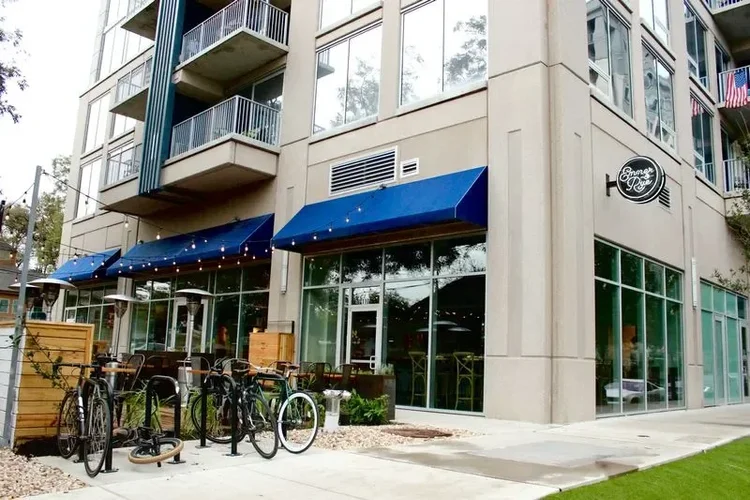
    Nestled on the vibrant Rainey Street, Emmer and Rye isn’t just a restaurant; it’s an experience.

    This culinary gem has earned its reputation as a top-tier destination for special occasions, boasting an enticing menu, a prime but challenging-to-park location, and the need for reservations even on a weekday. But, believe me, it’s all worth it, especially for your once-in-a-lifetime 27th birthday celebration with your Austin-based loved ones.

    A Peek Behind the Scenes | How did I come to know all this? Well, I did a stage at Emmer and Rye, pronounced “staj”, which is like a waitress audition and a second interview rolled into one. With nine years of experience in the restaurant industry, including serving throughout college and squeezing in catering shifts alongside my full-time job, I thought I’d seen it all. That was until I stepped into Emmer and Rye.

    Maize Takes Center Stage | Currently, Emmer and Rye is showcasing its summer seasonal menu, a tribute to Maize. The tasting menu, priced at approximately $90, offers a tantalizing journey with nine courses where corn takes on a multitude of mouthwatering forms.

    Watching guests savor each bite, you’ll hear exclamations like, “No, but seriously, have you tried this? It’s insane.”

    And here’s a sneak peek: the next menu will feature Wagyu Beef, a treat that’s bound to excite the dads.

    An Inclusive Dining Experience | With many patrons opting for the 9-course experience, everyone becomes part of the culinary journey, with the kitchen staff hustling to deliver each course promptly.

    The server sections, even on a bustling Tuesday night in late September, were manageable, with around six tables each, and they all shared a server assistant. Additionally, they have a sommelier and extra food runners.

    Each table is attended to by this dedicated team, with several managers, ensuring a seamless dining experience.

    The Way In | During my time at Emmer and Rye, I had the pleasure of shadowing Connally, a remarkable server. Despite having worked at the counter of a sandwich shop before joining Emmer and Rye just eight months ago, Connally’s approachable demeanor, attention to detail, and poise made him a standout. The restaurant treated him like family, a testament to the inclusive and nurturing environment they foster.

    Speaking with the manager as I left, I expressed my admiration for Connally’s exceptional service. He told me that at Emmer and Rye, they prioritize personalities and can train serving skills. It’s this commitment to character that sets them apart.

    A Memorable Experience | For me, while my availability might not perfectly align with the restaurant’s, the experience of trying Emmer and Rye for free and witnessing the best in the business at work is more than worth it. I might not need a referral to one of their other restaurants; I already feel like I’ve gained something invaluable.

    In Conclusion, my hat’s off to the Emmer and Rye team. They’ve created a culinary haven where passion, quality, and personality intersect. It’s a place where your taste buds will dance, and your special occasions will be truly celebrated.

  • Your Apartment Doesn’t Need to Be Finished

    Your Apartment Doesn’t Need to Be Finished

    There is an expectation that when we move into a new home, we should immediately start working toward finishing it.

    The furniture needs to be bought. The walls need art. The shelves need objects. Every empty corner seems to require a purpose.

    Until then, we tend to describe our homes as works in progress.

    But homes are always works in progress.

    They change as we change. We move things around, replace furniture, bring home objects from trips, inherit things from family, find art we love and eventually get rid of things that no longer feel like us.

    Maybe the goal shouldn’t be to finish your apartment at all.

    We See More Homes Than Ever Before

    It’s difficult not to compare your home when you’re constantly seeing other people’s.

    Social media gives us access to beautifully designed apartments every day. Apartment tours, renovation videos and carefully photographed interiors have made good design more accessible and given us plenty of inspiration.

    They have also changed our expectations.

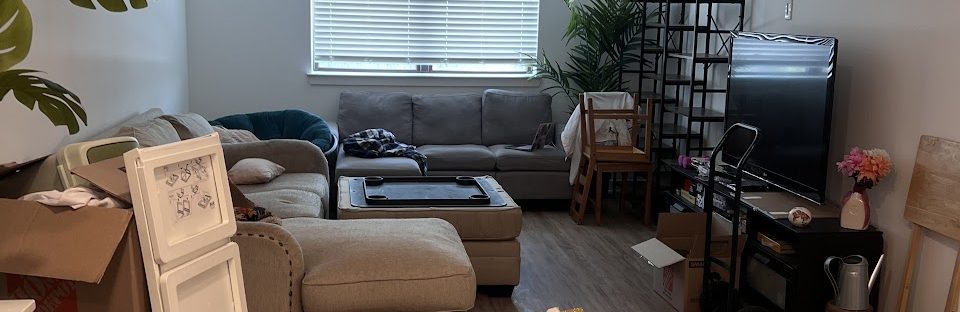
    We’re often seeing a finished image rather than the years it took to create it. We don’t see the months when the wall was empty, the old couch that came before the new one or the years someone spent collecting the objects on their shelves.

    When you’re comparing your everyday home to someone else’s finished photograph, yours can start to feel incomplete.

    Good Homes Take Time

    The most interesting homes often feel collected rather than designed all at once.

    There might be a piece of furniture passed down from family, art purchased while traveling, books accumulated over years or something found unexpectedly at an antique store.

    Those things are difficult to recreate by buying everything at once.

    Leaving some space unfinished gives you time to figure out what you actually like.

    An empty wall doesn’t need art simply because it’s empty. You can wait until you find something you genuinely want to look at every day.

    The same goes for furniture.

    Buying something just to fill a space often means replacing it later. Living with an empty corner for a few months might be better than buying a chair you never really wanted.

    Your Home Doesn’t Need to Follow One Aesthetic

    There is also a tendency to think everything in a home needs to belong to the same visual style.

    Real homes rarely work that way.

    Our tastes change. We keep things for sentimental reasons. We move pieces from one room to another. We combine something new with something we’ve owned for ten years.

    A home can have different periods of your life represented in the same room.

    That doesn’t necessarily make it less cohesive. It makes it personal.

    You Can Have People Over Now

    One of the unfortunate consequences of wanting our homes to feel finished is that we sometimes postpone actually using them.

    We tell ourselves we’ll host dinner once we have a bigger table. We’ll invite people over once we’ve decorated. We’ll have everyone over once the apartment looks the way we imagined it would.

    There will probably always be something you want to change.

    The people coming to your home aren’t experiencing it as a design project. They’re experiencing the evening they spent there.

    They’ll remember the conversation, the music, what you ate and who was there far more than whether there was anything hanging above your couch.

    A home doesn’t have to be complete before it can be shared.

    Your Taste Is Supposed to Change

    The things you like now won’t necessarily be the things you like five years from now.

    That’s normal.

    As you live somewhere, you learn what actually works for you. Maybe you realize you need more seating and less storage. Maybe you discover you love having color around you after years of buying neutrals. Maybe something you thought was essential turns out not to matter very much.

    Your home gets better when it responds to the way you actually live rather than the way you imagined you would live.

    That takes time.

    There Is No Finished Version

    Eventually, you might buy the rug you’ve been looking for or finally hang something on the empty wall.

    Then something else will change.

    That’s part of having a home.

    The goal doesn’t need to be reaching a point where there’s nothing left to add, move or reconsider.

    A home is a place you’re actively living in. It can change with your circumstances, your taste, the people in your life and the things you collect along the way.

    Your apartment doesn’t need to be finished.

    It just needs to feel like yours <3